Event Overview
| Date | Dec 19-20, 2026 |
|---|---|
| Location | Phoenix, Arizona, USA |
| Format | 24-Hour, Fixed-Distance |
| Terrain | Track |
| Region | North America |
| State / area | Arizona (AZ) |
| Course model | Loop |
| Edition note | The current organizer page contains conflicting pacer instructions and some older qualification wording; entrants should confirm the 2026 rules directly. |
| Elevation gain | 0 ft per loop |
| Cutoff | 24-hour race ends at 8:00 AM Sunday; 100-mile runners share the same track event. |
| Start | 8:00 AM Saturday |
| Field size | Limited elite field for the combined 24-hour / 100-mile race. |
| Sanctioning | USATF |
| Highlights | Elite Invitational, National Records Venue |
Course & Terrain
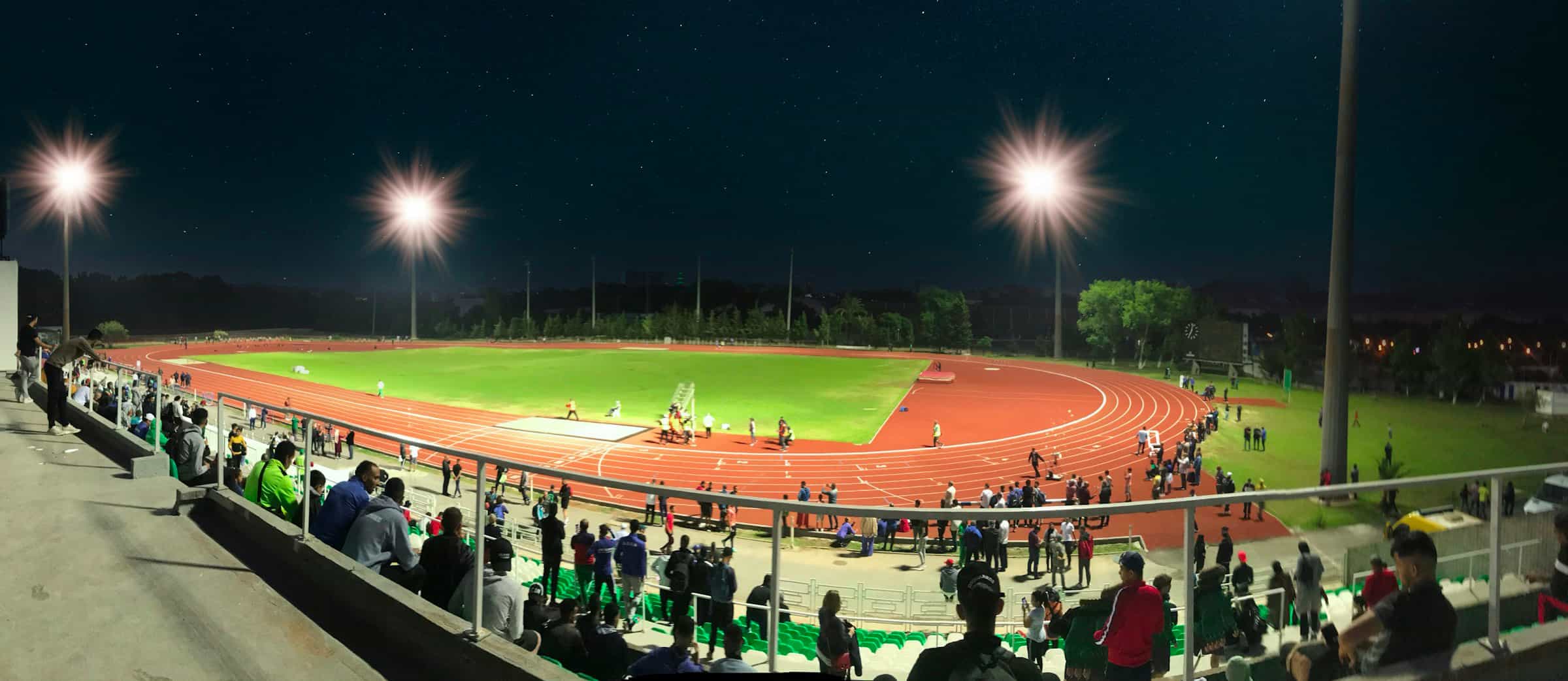
Elite 24-hour and 100-mile race on the 400 m all-weather track at Camelback High School.
Key course features to know before comparing this race:
- Record-focused 400 m track event
- Direction changes every four hours
- USATF and IAU record-submission timing procedures
- Live splits and livestream coverage
A flat track creates ideal record conditions, but track etiquette, lane discipline, and repetitive loading are central to race execution.
Phoenix in mid-December is usually mild but can be cold or wet; the organizer notes past rain and recommends being ready for wet, cold conditions.
Entry & Logistics
| Registration and fees | Check the official event website for current availability, deadlines, prices, taxes, and refund terms. |
|---|---|
| Qualification | Invitation or qualification only, with recent qualifying marks used for acceptance. |
| Support model | Fully stocked aid station with water, electrolyte drink, food, volunteer help, chip timing, electronic display, and assigned canopy/table space. |
| Crew / pacers | The current organizer page contains conflicting pacer language. Confirm the 2026 rule directly; crew support is based around assigned trackside areas. |
| Logistics note | Runners receive trackside space, but should still plan crew workflow, personal nutrition, shoe compliance, and record-attempt rules before arrival. |
Why This Race Matters
Desert Solstice Track Invitational is a useful reference point for runners comparing long fixed-distance ultras where most of the field runs through the night. Its format, terrain, and support model shape the kind of preparation required: not just fitness, but pacing discipline, nutrition planning, foot care, and the ability to make good decisions under fatigue.
Historical benchmark notes in the directory record (verify current records with the linked official sources):
- National records set at Desert Solstice: 101 (count published by Aravaipa Running, checked 14 September 2026)
- World records set at Desert Solstice: 15 (count published by Aravaipa Running, checked 14 September 2026)
Preparing for a Race Like Desert Solstice Track Invitational
The 24-hour race guide covers the format as a whole. These guides go deeper:
- 24-hour races explained: How the format works and what to compare before entering.
- How to train for a 24-hour race: Progression, walking, night-gear practice, fueling and tapering.
- 24-hour race pacing strategy: Conservative starts, run/walk options and late-race reassessment.
- What to eat during a 24-hour race: Food choices, stomach problems, hydration and caffeine.
Best Fit
- Elite ultrarunners chasing 24-hour or 100-mile standards
- Athletes targeting national-team qualification or records
- Runners who can handle a small, high-performance track field
Planning Notes
- Start conservatively and use flexible process checkpoints for effort, walking, food, fluid, alertness, and symptoms instead of forcing one hourly distance target.
- Repetitive surfaces can expose fit, friction, and loading problems. Check in when symptoms or conditions change, and use only footwear already tested for the course.
- The directory does not mark this as having simpler logistics. Confirm qualification, terrain, support, registration, medical, and withdrawal requirements before planning around it.
- Entry is selective and performance-based
- The published page contains conflicting pacer instructions
- World Athletics shoe rules and USATF competition rules can affect record attempts
Event FAQs
Is Desert Solstice open to any runner?
No. Desert Solstice is an invitation or qualification-only elite track event.
Are pacers allowed at Desert Solstice?
The current organizer page contains conflicting language about pacing. Entrants should ask the organizer which 2026 rule controls before building a crew or pacing plan.
Related Preparation
- Browse the curated 24-hour race calendar
- Browse Arizona Ultramarathons
- Compare this race in the full 2026 calendar
- Browse the 24-hour race calendar
- Open the 24-Hour format guide
- Compare all race formats
- Use the timed-race pace calculator
- Plan checkpoint arrivals and cutoff buffers
- Build a crew and drop-bag plan
- Build a race-specific gear checklist
Verification & Sources
Verification scope: the listed edition's date, location, format, and available logistics were checked against the event-specific official sources below during the directory review dated September 14, 2026. Organizers can revise details after review.
- Official Desert Solstice page — https://www.aravaiparunning.com/desert-solstice/
- Multiday Running event directory review scope: September 14, 2026.